

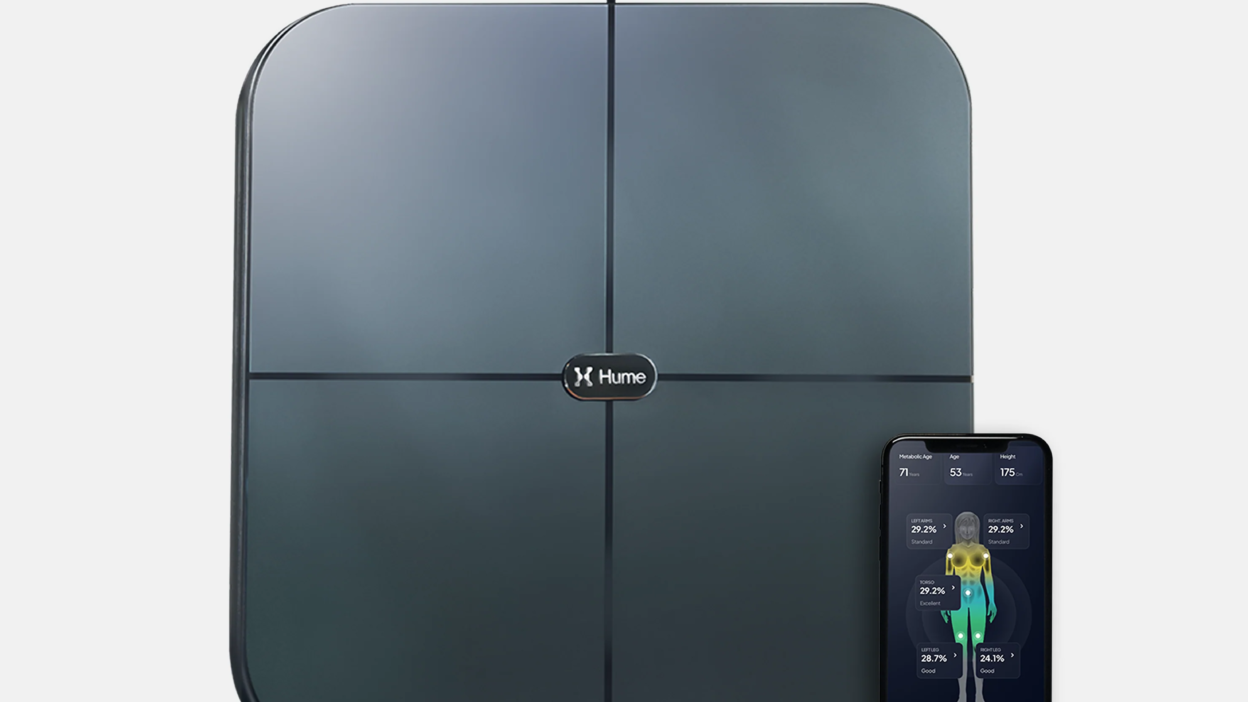
In recent years, fascia-focused recovery and mobility training has gained traction among athletes and movement enthusiasts, and Hume Health has emerged as a noteworthy brand in this space. Instead of traditional recovery gadgets, Hume designs tools and guided protocols that help users improve mobility, reduce pain, and optimize movement patterns with evidence-based fascia education and training tools. This review explores what Hume Health offers, how its tools perform in real situations, what real users and experts think, how it compares with other recovery solutions, and who is most likely to benefit from integrating it into their routine.
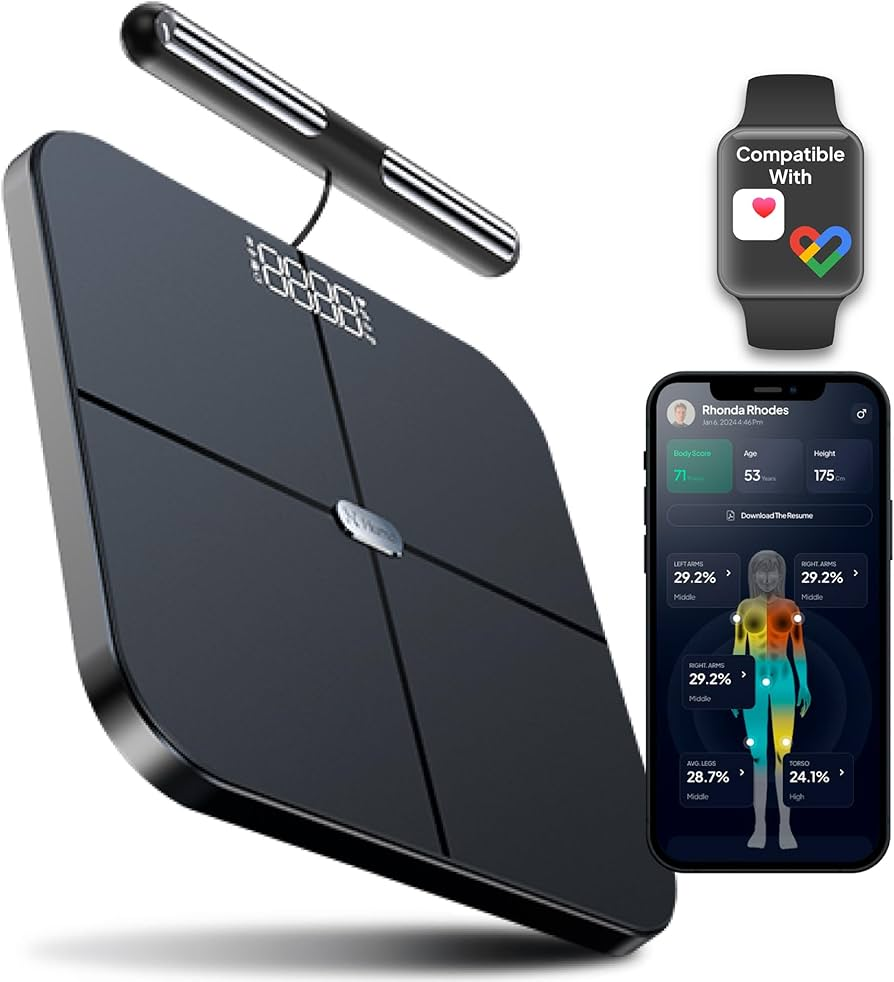
What Hume Health Is and What It Does
Hume Health combines practical mobility tools with an education platform that teaches users how fascia — the connective tissue network in the body — affects movement, posture, and pain. The brand markets proprietary tools designed to target connective tissues and muscle systems with precision, supporting increased range of motion, better movement patterns, and reduced stiffness.
Unlike simple foam rollers or massage balls that rely on rolling alone, Hume’s approach centers on fascia release with tools tailored to different body regions and movement needs. The tools are paired with guided tutorials that demonstrate how to use them for dynamic movement prep, recovery, injury prevention, and pain relief.
Key Features and Tools
Fascia-Focused Mobility Tools
Hume’s lineup includes handheld tools engineered for different body parts, such as hips, calves, shoulders, and spine. These tools are intended to offer targeted pressure that can help break up tissue adhesions, improve fluid flow, and increase range of motion when used correctly.
Guided Movement Protocols
One of the advantages of Hume’s system is that it doesn’t leave users guessing. Along with each tool comes access to movement protocols and tutorials that show how to apply the tools safely, how often to use them, and how they fit into overall movement or recovery routines.
Integration With Training and Recovery
Hume Health’s philosophy is not just about static stretching or massage. It emphasizes integrating mobility work into movement patterns so that flexibility improvements translate into better physical performance. This approach is particularly useful for athletes who struggle with stiffness that impacts their sport or daily function.
How It Works in Everyday Use
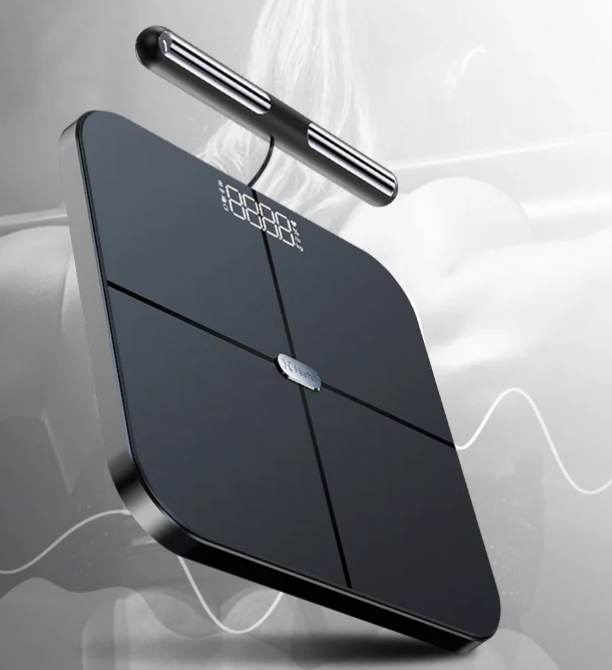
People who use Hume tools in their routines often incorporate them as part of warm-ups, cooldowns, or even brief mobility breaks during the day. For example, targeted work using one of Hume’s tools before a run or resistance session may help reduce muscle tension and potentially enhance stride or lift mechanics. Many users combine these tools with guided tutorials to ensure that they are not just pressing into tissue but doing so in a way that supports functional change over time.
Independent assessment of fascia release tools confirms that targeted pressure applied through movement can indeed improve comfort and mobility when done consistently, and users often find that tracking progress over weeks yields better outcomes than sporadic stretching or static rolling.
Positive User Experiences
Verified buyers and movement professionals often mention that Hume Health tools feel durable, thoughtfully shaped, and intuitive for their intended purpose. Several users report increased range of motion in stubborn areas like hips, quads, or upper back after a few weeks of consistent guided use, and value the combination of tools with structured movement education that sets Hume apart from basic rollers.
Many of these impressions are echoed in online communities where physical therapists and mobility trainers share feedback on recovery tools. Tools that are paired with educational content tend to receive better feedback than plain devices, and Hume’s curated tutorials draw positive mention from users who appreciate clarity and guidance rather than ambiguity when working on mobility concerns.
Trusted third-party evaluations of fascia and mobility devices highlight the advantage of guided movement protocols over unstructured self-massage, with experts noting that having clear instructions can make the difference between temporary relief and long-term improvement (as noted in independent mobility reviews that evaluate how structured tools influence flexibility and pain). These third-party insights align with user sentiment that Hume’s approach feels purposeful and grounded in practical movement science.
Expert and Industry Perspectives
Mobility and recovery tools that target fascia and connective tissues have gained traction partly because of research connecting fascia health with overall movement quality and injury risk. Educators in the physical therapy and athletic performance space often advocate for tools and routines that go beyond surface tension release and engage underlying connective networks, which is the conceptual foundation of Hume’s products.
Physical therapists and movement specialists also emphasize the benefit of incorporating mobility work into functional patterns, a principle that Hume’s guided tutorials reinforce. This complements traditional strength and conditioning principles, making the brand’s tools a good fit for those looking to bridge the gap between recovery and performance.
How Hume Health Compares With Other Recovery Tools
| Feature | Hume Health | Foam Rollers | Massage Balls |
|---|---|---|---|
| Targeted Fascia Release | Yes | No | Partial |
| Guided Tutorials | Yes | No | No |
| Movement Integration | High | Low | Low |
| Portability | Moderate | High | High |
| Long-Term Mobility Progress | Strong | Moderate | Moderate |
Compared with generic foam rollers or simple massage balls, Hume’s tools are designed to be more precise in targeting connective tissues and come with structured guidance that helps users apply them in ways that support long-term mobility goals. Foam rolling and balls can still be useful for general self-care, but Hume’s approach tends to yield more consistent results when paired with movement education.
Pricing and Value
Hume Health’s products sit in the mid-range price point for recovery and mobility tools. While not inexpensive, the cost reflects the thoughtful design, paired education, and intended long-term impact on mobility and movement quality. For users who struggle with recurring stiffness, limited range of motion, or discomfort that impacts daily function or training, investing in tools that come with guided protocols has been reported to offer better return on training investment than cheaper alternatives.
Who Hume Health Is Best For
Hume Health is particularly well suited for:
- Athletes who want targeted mobility support
- Individuals dealing with chronic tightness or minor pain
- People incorporating mobility into strength or endurance training routines
- Anyone who prefers educational support with equipment
It may be less ideal for:
- Users looking for inexpensive, basic rolling tools without guided content
- Those who only want casual stress relief without structured progression
Frequently Asked Questions
Prospective users often ask whether guided tools like Hume’s are necessary compared with traditional foam rolling. Based on independent mobility resources and user reports, having clear direction and targeted technique typically yields better improvements in movement quality and tissue tolerance than unstructured self-massage alone.
Another common question is whether Hume’s tools are beginner-friendly. Many new users find that the guided tutorials help ease them into mobility work without intimidation, making it easier to build consistent habits over time.
Final Thoughts
Hume Health combines thoughtfully designed mobility tools with guided movement education, crafting a system that goes beyond temporary soreness relief toward functional gains in range of motion and movement quality. Positive user feedback and expert perspectives suggest that structured fascia work, when paired with purpose-driven tutorials, can make mobility training both more effective and more consistent.
For anyone serious about improving mobility, reducing discomfort, and integrating recovery into everyday movement patterns, Hume Health provides a compelling, science-informed toolkit and training approach.


You’ve changed the way I think about this topic. I appreciate your unique perspective.
I’m so happy you enjoyed it! I always aim to simplify complex topics.
This article is exactly what I needed! Your insights are incredibly helpful.