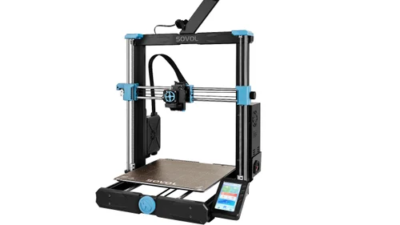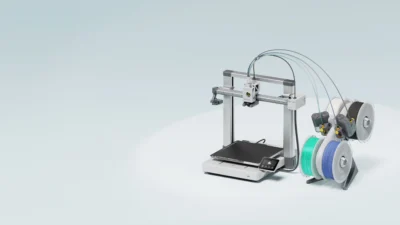

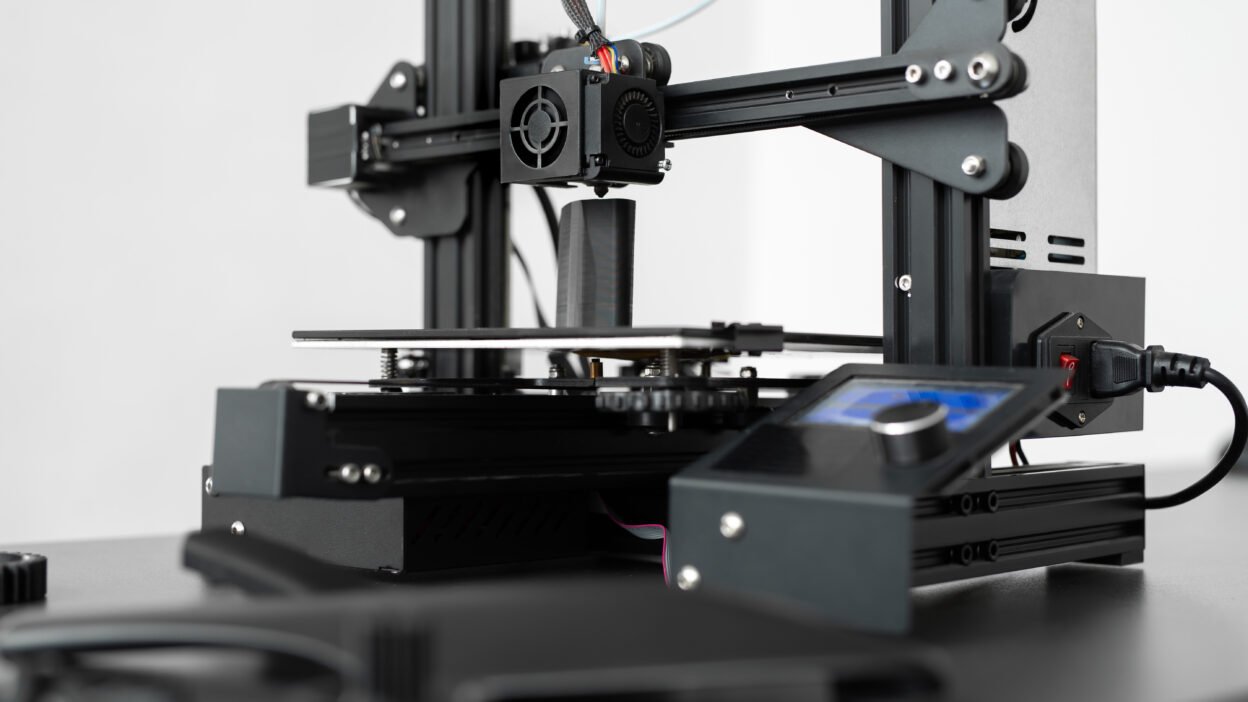
In the landscape of modern digital manufacturing, no single name evokes as much grassroots nostalgia or commands as much raw market volume as Creality. For nearly a decade, this brand has acted as the entry point for the global maker movement. If you talk to an engineer, an industrial designer, or a creative studio owner, odds are their very first successful print was executed on a buzzing, open-frame Creality machine.
As we often discuss in our framework on how tech shapes the future of work, true innovation occurs when complex industrial engineering is successfully democratized. Creality did not just sell hardware; they provided the literal scaffolding for a generation of builders to learn, break, modify, and master the art of 3D fabrication. Today, the brand is undergoing a massive, sophisticated evolution—transitioning from basic DIY kits into highly intelligent, multi-material creative partners.
The Cultural Shift: From Bare-Metals Modding to CoreXY Powerhouses
For years, buying a Creality machine meant embracing the “tinkerers tax.” It meant spending weekends manually leveling aluminum beds, flashing community firmware, and tightening belts. That gritty, hands-on relationship built an unprecedented global community.
However, the modern Creality experience completely rewrites that playbook. With their enclosed K1 series and the flagship K2 Plus ecosystem, Creality has firmly stepped into the elite tier of high-speed, plug-and-play production. They have replaced complex manual setups with raw, out-of-the-box mechanical velocity, utilizing ultra-rigid frames and advanced motion algorithms that allow creators to focus entirely on product design rather than machine maintenance. This commitment to seamless, high-performance integration directly reflects the philosophy we track throughout our deep dives into advanced wearables and tech.
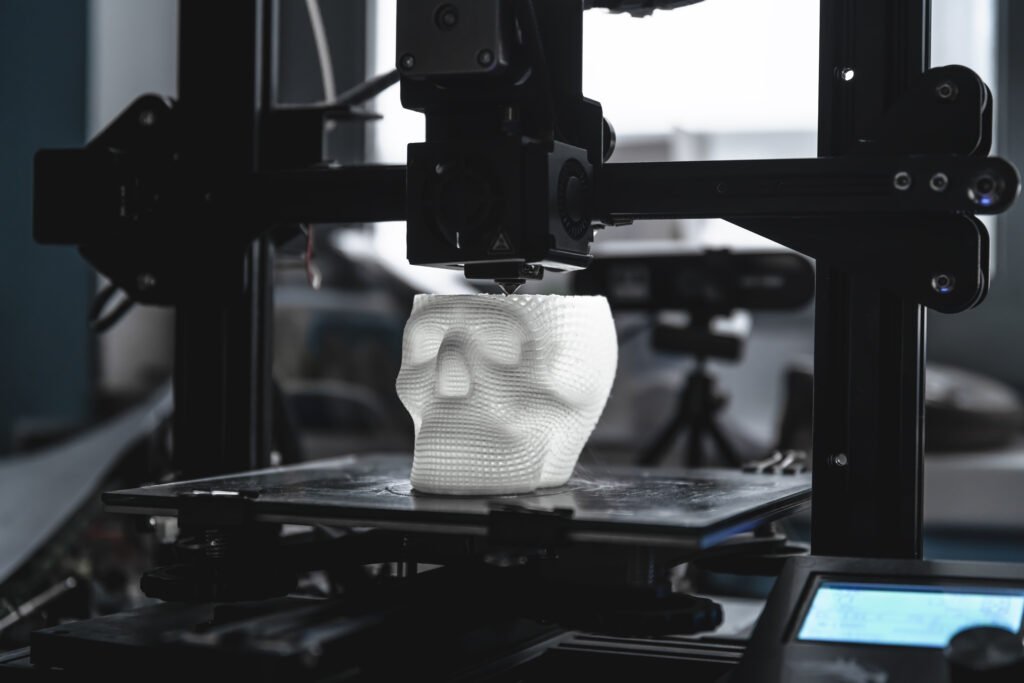
Hardware Engineered for Intelligent Creative Freedom
Creality’s current hardware roster signals a deliberate leap into AI-driven automation and rich, multi-material capability.
1. True Multi-Color Synchronization (The CFS Ecosystem)
With the introduction of the Creality Filament System (CFS) alongside the flagship K2 Plus Combo, the brand has broken down the walls of single-material production. The CFS acts as an air-tight, humidity-controlled vault that handles up to four independent spools simultaneously—scalable up to a staggering 16 colors using linked units. Backed by intelligent RFID tag readers, the system automatically detects material types, tracks remaining spool weights, and handles seamless material relays. If a spool runs dry at 3:00 AM, the machine seamlessly switches to an identical backup roll without a single line of layer shift.
2. Industry-Grade FOC Step-Servo Motion
To achieve true precision at blistering speeds up to 600 $mm/s$ and accelerations of 30,000 $mm/s^2$, Creality introduces field-oriented control (FOC step-servo motors) across all axes on their premium hardware. Unlike standard stepper motors that can skip beats under intense torque, these closed-loop systems continuously calculate their exact physical position with over 32,000 controllable micro-steps per revolution. The result is a machine that operates with whisper-quiet acoustics (often mapping under 45dB at standard speeds) while delivering pristine, fluid surface finishes that rival injection molding.
3. Dual-Camera AI Sentinels
Creality has eliminated the anxiety of leaving a 48-hour print unattended by deploying a sophisticated, dual-camera AI ecosystem. One high-definition optical camera rests on the toolhead itself, dynamically analyzing material flow to prevent under-extrusion. The second camera monitors the entire heated chamber, running real-time machine learning models to detect “spaghetti” failures, part detachment, or foreign objects on the build plate—instantly pausing the job and alerting your smartphone before material is wasted.
The Software Layer: Bridging the Gap from Image to Object
A physical factory is only as smart as the digital tools feeding it. Creality has heavily overhauled its digital footprint with Creality Print 5.0, a completely rebuilt slicing engine engineered specifically to handle intricate, multi-material 3MF models.
Furthermore, their cloud ecosystem is pushing deep into accessible AI generation. Through tools like CubeMe AI embedded within the Creality Cloud platform, users can generate fully realized, printable 3D structures from a single, flat smartphone photograph. It actively shortens the path from human intuition to a tangible, physical object sitting on your desk.
Navigating the Trade-Offs of a Global Super-Brand
Because Creality produces machinery at an unprecedented global scale, navigating their ecosystem requires a practical, real-world perspective. Their product catalog is massive and deeply diverse—ranging from ultra-budget, open-frame legacy systems to top-tier industrial enclosures. For professionals, this means it is vital to target their premium, modern lines (like the K and SPARKX families) to ensure you get the absolute latest closed-loop electronics and smart sensors.
Additionally, because their community is one of the largest on earth, their out-of-the-box software profiles are built to be incredibly safe and reliable for the masses; experienced designers looking to eke out every last drop of mechanical speed will find immense joy in tailoring custom flow dynamics and cooling configurations within the software.
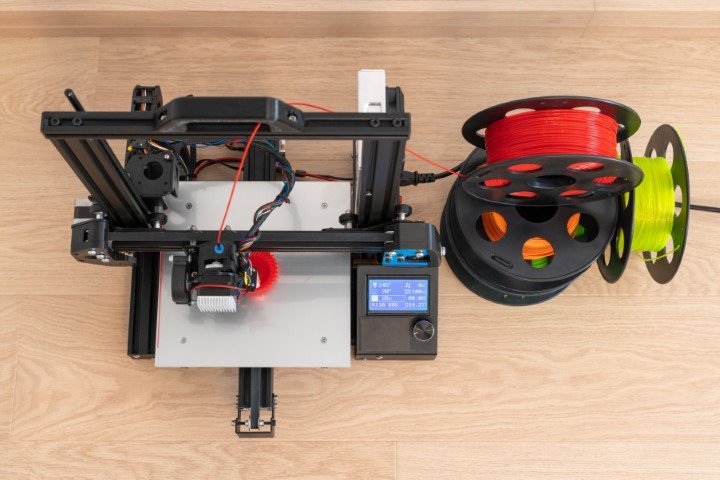
The Global Workbench Comparison
Within the grander maker economy, Creality occupies a highly unique position of absolute adaptability.
- For workspaces that demand a deeply open-source, localized ecosystem backed by long-term European engineering and complete right-to-repair transparency, the iconic Prague-built platforms of Prusa Research remain an exceptional ethical baseline.
- For studios seeking aggressively optimized, large-scale volume prototyping platforms at highly competitive price footprints, the heavy-duty machinery of Elegoo offers a compelling, industrial alternative.
The Pikaura Verdict
Creality has earned its legendary status on the modern workbench because they have consistently listened to the heartbeat of the maker community. They have taken features that used to cost thousands of dollars in corporate industrial settings—like active chamber heating, closed-loop servo motors, and multi-color automation—and made them standard tools for individual creators. If your objective is to anchor your studio with a brand that offers endless scalability, massive community support, and cutting-edge AI oversight, Creality provides a deeply capable, future-proof ecosystem to build upon.