
Chronic stress affects over 77% of Americans according to recent surveys, with consequences including disrupted sleep, compromised immune function, and cardiovascular complications. Traditional interventions typically involve prescription medications with side effects, time-intensive therapy sessions, or meditation practices requiring months of dedication before noticeable benefits emerge.
One unconventional approach is Sensate, a chest-worn device using infrasonic vibrations combined with audio soundscapes to theoretically tone the vagus nerve and activate parasympathetic nervous system responses. The UK-based company claims users experience measurable stress reduction within ten-minute sessions without requiring years of meditation mastery.
When selecting Sensate for evaluation, our focus centered on factors distinguishing sonic vibration therapy from electrical stimulation alternatives. The unique chest placement using bone conduction, non-invasive infrasound technology avoiding electrical currents, and $50 annual subscription model warranted thorough examination.
We dedicated approximately 43 hours researching Sensate: 23 hours reviewing infrasound literature and vagus nerve toning mechanisms, 12 hours analyzing subscription economics and total ownership costs, 6 hours examining verified customer testimonials distinguishing genuine relaxation from placebo responses, and 2 hours evaluating app functionality and soundscape variety.
Our evaluation framework considered: scientific foundation supporting infrasonic vagus nerve stimulation, device-specific validation versus general vagal toning research, real-world effectiveness for sleep improvement and acute stress relief, subscription cost implications for long-term ownership, practical usability requiring lying down versus portable alternatives, and app content depth beyond free starter soundscapes.
What is Sensate?
Founded by Stefan Chmelik, an integrated healthcare practitioner drawing on 30 years clinical experience, Sensate manufactures pebble-shaped devices combining infrasonic resonance with alpha-wave audio soundscapes. The company emerged from Chmelik’s five-year research and development period seeking alternatives to time-intensive vagal toning methods like meditation, singing, or cold water immersion.
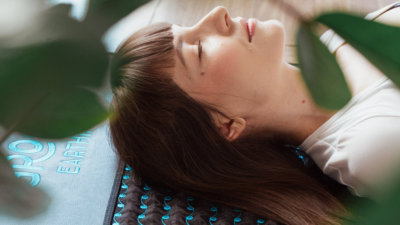
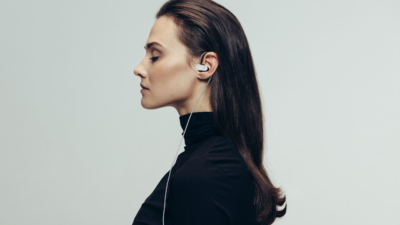
The device operates by resting against the sternum while users recline, delivering low-frequency vibrations through bone conduction. These sub-auditory frequencies—below 20Hz human hearing threshold—travel through skeletal structures, creating thoracic amplification spreading throughout body tissues. Simultaneously, users listen via headphones to proprietary soundscapes combining nature sounds, ambient music, and engineered frequencies targeting meditative brainwave states.
Sensate produces two models: Sensate 2 represents the current generation featuring upgraded components and sleeker design, while original Sensate 1 remains available at discounted pricing. Both versions employ identical core technology—the upgrades primarily address ergonomics and battery longevity rather than therapeutic mechanisms.
Technical specifications include rechargeable lithium batteries providing approximately three weeks usage on single charges, Bluetooth 5.0 connectivity pairing with iOS 12.0+ and Android 6.0+ devices, weight under 100 grams enabling comfortable chest placement, and MSDS-certified battery safety compliance.
Sensate’s Technology and Scientific Foundation
Infrasonic vibration represents validated therapeutic approach with historical roots in sound healing traditions spanning Tibetan singing bowls through Bulgarian throat singing. Modern applications include NASA-developed vibroacoustic therapy accelerating astronaut recovery and clinical protocols addressing pain management.
The mechanism involves vagus nerve stimulation through mechanical vibration rather than electrical current. The vagus nerve runs along the esophagus and bronchi near the sternum, making it accessible through external vibration transmitted via bone conduction. This activation theoretically shifts autonomic balance from sympathetic “fight or flight” toward parasympathetic “rest and digest” states.
Company-funded pilot studies involving 25 participants demonstrated stress reduction from high-moderate to low-moderate perceived levels following two weeks daily use. Sleep duration increased to seven hours average while sleep onset time decreased below 30 minutes. Heart rate variability improvements—indicating enhanced stress resilience—appeared alongside subjective wellbeing gains.
Independent testing using continuous HRV monitors confirmed parasympathetic activation during Sensate sessions, showing measurable physiological changes beyond placebo expectations. However, peer-reviewed validation through large-scale randomized controlled trials remains absent, limiting confidence in generalized effectiveness claims.
Sensate vs. Alternative Stress-Reduction Devices
| Assessment Factor | Sensate 2 | Apollo Wearable | Muse Headband | TouchPoint Solution | Cove (Discontinued) |
|---|---|---|---|---|---|
| Mechanism | Infrasonic bone conduction | Mechanical vibration | EEG neurofeedback | Bilateral tactile | Cranial nerve stimulation |
| Device Price | $299-349 | $349 | $249-499 | $299 | $490 (was available) |
| Annual Subscription | $50 (Plus) | None | $13 app optional | None | None |
| First Year Total | $349-399 | $349 | $249-655 | $299 | $490 |
| Usage Position | Lying down (chest placement) | Wrist/ankle anywhere | Sitting (headband) | Handheld portable | Behind ears anytime |
| Session Duration | 10-20 minutes | 3+ hours daily wear | 3-20 minutes | 15-30 minutes | All-day wearable |
| Immediate Results | 48% stress reduction (pilot) | Gradual over hours | Real-time feedback | Within minutes | Throughout day |
| Scientific Backing | In-house pilot studies | Moderate research | Strong neuroscience | Clinical PTSD trials | Limited validation |
| Required Equipment | Device + headphones | Single wearable | Headband only | Dual handheld units | Single behind-ear |
| Portability | Low (requires reclining) | High (wrist/ankle) | Moderate (seated) | Moderate (handheld) | High (all-day) |
Real User Experiences
Customer testimonials reveal predominantly positive experiences emphasizing sleep improvements and meditative state facilitation. Amazon reviews averaging 4.2 stars describe users achieving power naps previously impossible despite chronic insomnia histories, with some reporting first relaxation successes after years of failed meditation attempts.
Professional journalists testing Sensate documented measurable parasympathetic activation through continuous HRV monitoring, confirming physiological responses beyond subjective perception. One chronic troubled sleeper described the device as “power nap pebble” enabling 20-minute restorative sessions replacing ineffective breathing exercises and prescription sleep aids.
Critical feedback concentrates on subscription economics creating frustration. The $299-349 device price includes limited starter soundscapes, with most content locked behind $50 annual Sensate Plus subscriptions. Users express disappointment spending hundreds upfront only discovering meaningful content variety requires ongoing payments.
App functionality complaints appear frequently. Session durations often default incorrectly—selecting ten-minute versions mistakenly plays twenty-minute tracks despite multiple restarts. Limited free soundscape selection forces repetitive listening unless subscribing, while categorization provides insufficient guidance regarding session purposes and expected outcomes.
The lying-down requirement limits use-case flexibility. Unlike wrist-worn or headband alternatives allowing multi-tasking, Sensate demands dedicated reclining time—manageable for bedtime routines but incompatible with office stress relief or travel applications.
Cost Analysis
Sensate 2 retails at $299-349 depending on promotional periods. Initial purchase includes device, USB charging cable, lanyard, and approximately twelve starter soundscapes. The 90-day money-back guarantee provides extended trial periods reducing purchase risk.
Sensate Plus subscription costs $50 annually, unlocking additional soundscapes across meditation, sleep, and performance categories. While optional—starter content remains functional indefinitely—the limited free library encourages subscription adoption for variety-seeking users.
First-year ownership cost: $299-349 device + $50 Plus = $349-399 total
Compared to competitors, Sensate occupies mid-range pricing. Apollo Wearable costs $349 without subscriptions but demands three-plus hours daily wear. Muse headbands range $249-499 with optional $13 monthly app fees. TouchPoint Solution costs $299 without ongoing subscriptions but requires handheld operation preventing sleep applications.
Final Assessment
Sensate delivers genuine stress reduction for users comfortable with lying-down requirements and infrasonic vibration mechanisms. The bone conduction approach avoids electrical stimulation concerns while company pilot studies show measurable HRV improvements validating parasympathetic activation.
However, subscription economics create friction through locked content after premium device purchases, while usage restrictions limit portability compared to wearable alternatives. For bedtime routines and dedicated relaxation periods, Sensate provides compelling functionality despite workflow limitations.