
Mental state management typically involves pharmaceuticals with side effects or time-intensive behavioral interventions. Americans consume over 400 million caffeine servings daily for alertness, spend billions on sleep aids, and increasingly turn to substances for stress management—yet each intervention brings trade-offs including dependency risks, metabolic burden, and unwanted effects.
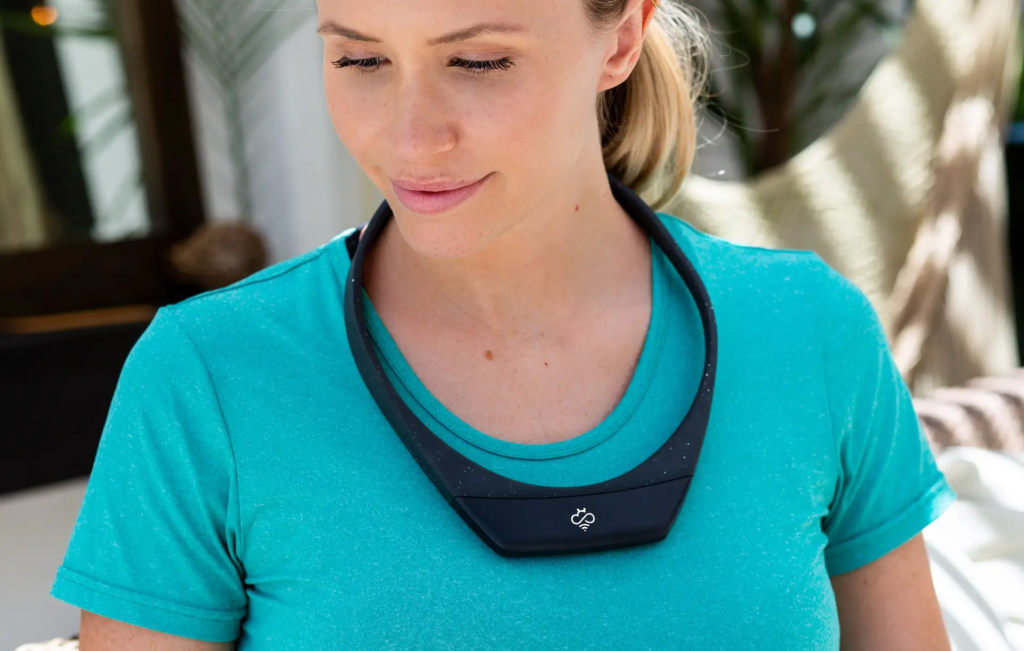
One unconventional approach is Hapbee, a wearable device using ultra-low radiofrequency energy (ulRFE) to theoretically replicate electromagnetic signatures of substances like caffeine, melatonin, and CBD without actual compound ingestion. The Vancouver-based company claims this technology allows mood shifting on demand through magnetic field stimulation.
When evaluating Hapbee for assessment, our focus centered on distinguishing this technology from conventional vagus nerve stimulation and PEMF therapy. The controversial claim that electromagnetic signals can mimic molecular effects, combined with subscription pricing model shifts and mixed scientific validation, warranted thorough examination.
We dedicated approximately 37 hours researching Hapbee: 19 hours reviewing bioelectric medicine literature and electromagnetic field research, 10 hours analyzing user testimonials distinguishing placebo from genuine effects, 6 hours comparing pricing models and total ownership costs, and 2 hours evaluating app functionality and signal customization options.
Our evaluation framework considered: scientific foundation supporting electromagnetic molecular mimicry claims, independent validation versus company-funded studies, real-world effectiveness across varied user populations, subscription cost implications for long-term ownership, safety profile regarding electromagnetic exposure, and practical integration into daily routines.
What is Hapbee?
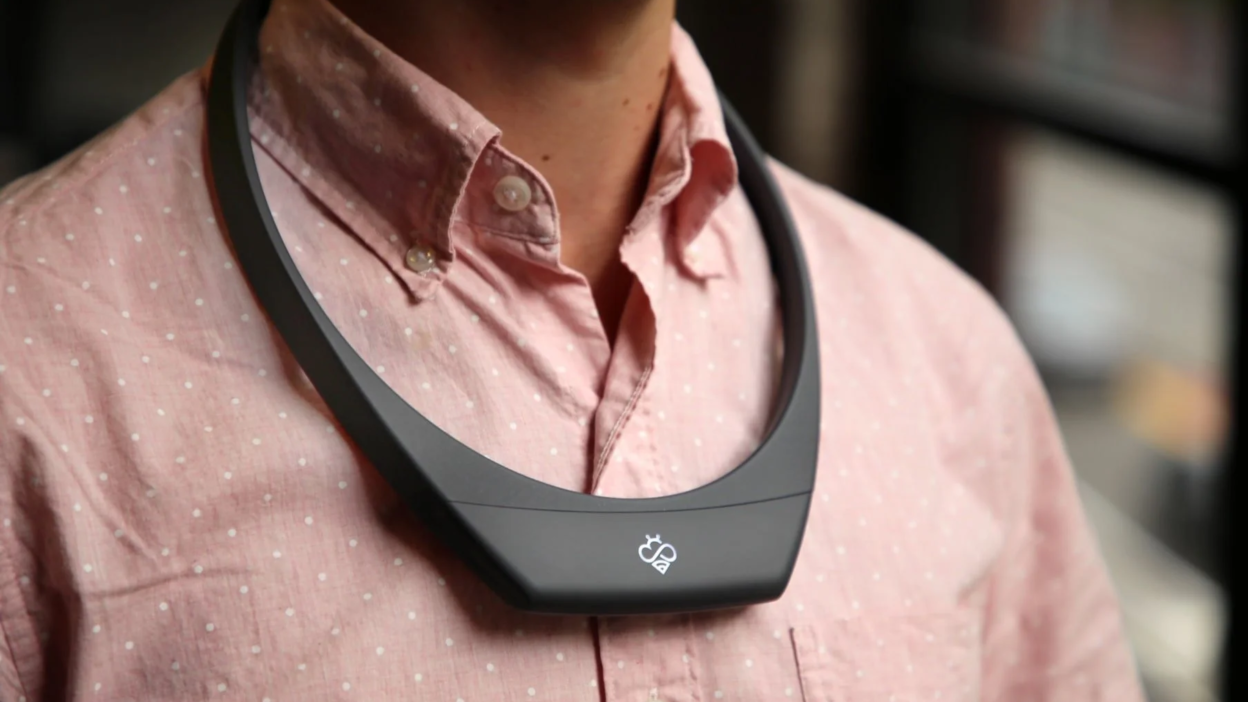
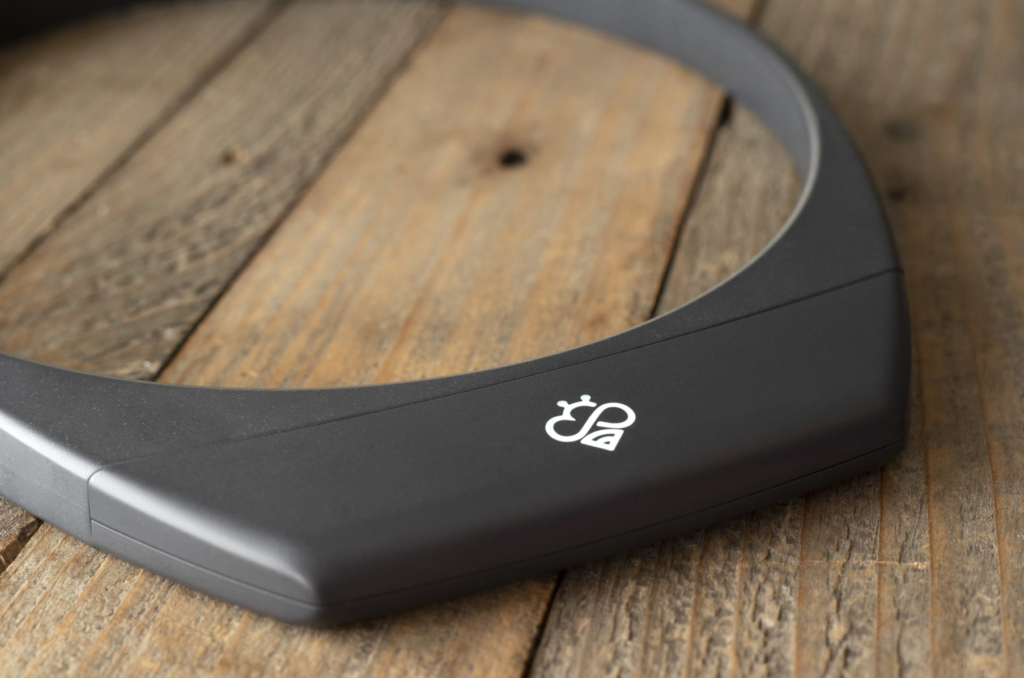
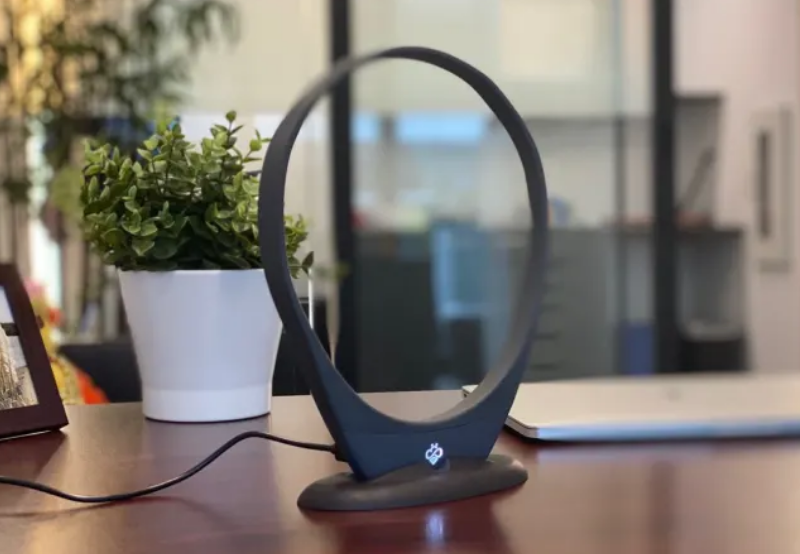
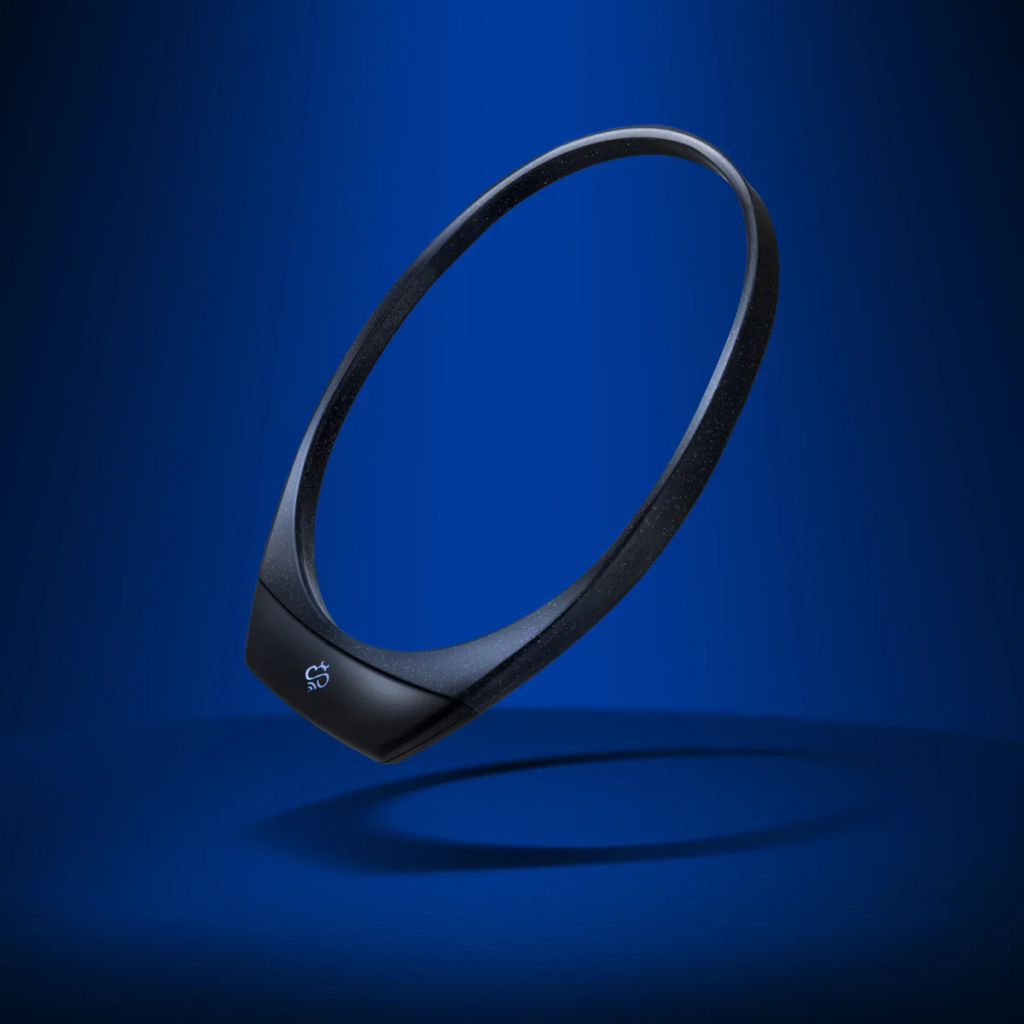
Founded on patented ulRFE technology licensed from EMulate Therapeutics, Hapbee manufactures wearable devices emitting specific electromagnetic frequencies claimed to reproduce molecular signatures of common substances. The neckband fits around users’ necks or heads, positioning coils near the brain to broadcast selected “blends” corresponding to desired mental states.
The underlying theory involves recording electromagnetic signatures of molecules using SQUID magnetometers—superconducting quantum interference devices capable of detecting minute magnetic fields. Hapbee then broadcasts these recorded frequencies, theoretically triggering receptor responses similar to actual molecule presence without biochemical processing.
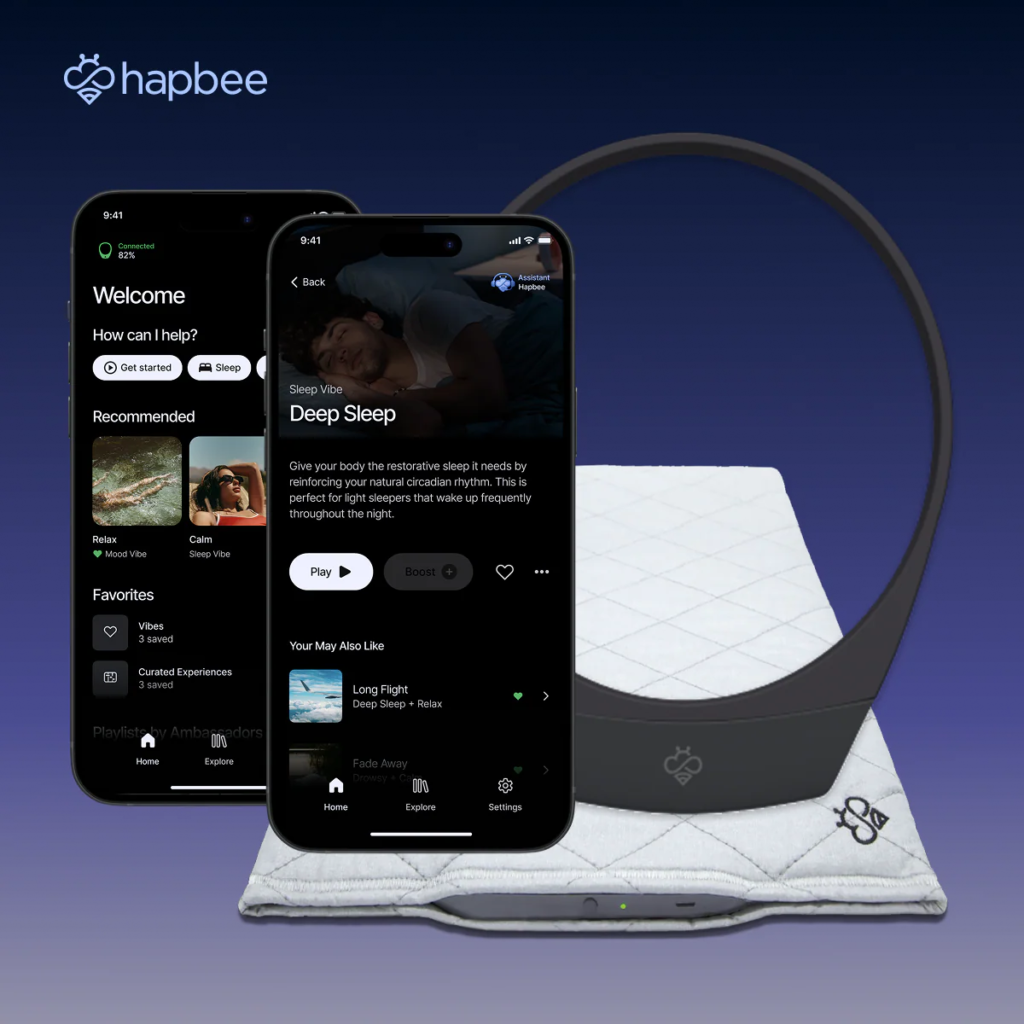
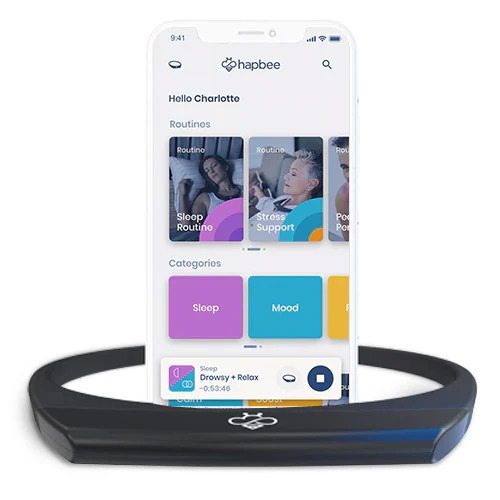
The company offers two primary products: the Smart Neckband for general use throughout days and nights, and the Smart Sleep Pad positioned under pillows or mattresses targeting sleep-specific applications. Both devices connect to smartphone apps accessing libraries of over 60 “vibes” organized across performance, mood, and sleep categories.
Technical specifications include ultra-low power electromagnetic emissions well below levels associated with harmful exposure, rechargeable batteries providing multiple days usage, and Bluetooth connectivity for app integration enabling real-time adjustments.
The Controversial Science Behind Hapbee
Understanding Hapbee requires examining bioelectric medicine—the field studying how electrical signals influence cellular behavior beneath biochemical interactions. Published research demonstrates external electromagnetic fields can affect human physiology; NASA-developed PEMF therapy represents one validated application accelerating healing through magnetic field exposure.
Specific research cited by Hapbee includes a study published in British Journal of Pharmacology showing 75Hz magnetic fields activated adenosine receptors similarly to caffeine without adenosine presence. This single study forms foundation for extrapolating that various frequencies might affect different molecular systems.
However, critical limitations warrant emphasis. Most supporting research involves in-vitro studies or animal models under controlled conditions—real-world human applicability remains largely unproven through rigorous clinical trials. The company holds several patents affirming claims about electromagnetic molecular mimicry, yet patents demonstrate novelty rather than efficacy.
Independent researcher skepticism centers on whether subtle electromagnetic signals genuinely produce noticeable cognitive effects versus placebo responses. The absence of peer-reviewed, double-blind, placebo-controlled studies specifically examining Hapbee devices creates validation gaps distinguishing this technology from FDA-cleared alternatives like vagus nerve stimulators.
Hapbee vs. Alternative Mood-Altering Technologies
| Assessment Factor | Hapbee | Apollo Wearable | Touchpoint Solution | NuCalm | Muse Headband |
|---|---|---|---|---|---|
| Mechanism | ulRFE electromagnetic | Mechanical vibration | Bilateral tactile stimulation | Neuroacoustic software | EEG neurofeedback |
| Monthly Cost | $19 subscription | None after purchase | None after purchase | $50-100 subscription | $13 app subscription |
| Device Price | Free with subscription | $349 | $299 | $1,795 kit | $249-$499 |
| First Year Total | $228 (12×$19) | $349 | $299 | $1,795+ | $249-$655 |
| Hands-Free | Yes (neck/head worn) | Yes (wrist/ankle) | No (handheld) | Partially (biosignal discs) | Yes (headband) |
| Usage Duration | 15-30 minute sessions | 3+ hours daily | 15-30 minutes | 20-60 minutes | 3-20 minute sessions |
| Scientific Validation | Limited independent studies | Moderate research | Clinical trials | Extensive validation | Strong neuroscience backing |
| Sensation Type | Imperceptible fields | Gentle vibrations | Alternating pulses | Audio + tactile | Real-time feedback |
| Target Application | Mood selection library | Stress/recovery/focus | PTSD/anxiety/stress | Clinical anxiety/sleep | Meditation training |
| Trial Period | 100 days (device only) | 60 days | 60 days | 30 days | 30 days |
Real User Experiences
Customer testimonials reveal sharply divided experiences distinguishing believers from skeptics. Trustpilot reviews averaging 3.7 stars show enthusiastic users describing improved sleep quality, enhanced focus during work sessions, and noticeable calming effects before stressful situations. Multiple testimonials mention falling asleep faster and experiencing deeper rest when using sleep-specific signals.
Professional athletes and biohackers including Dave Asprey report positive experiences, with Asprey claiming increased deep sleep metrics when using Hapbee compared to baseline measurements. Some users describe subtle but genuine mood shifts occurring within minutes of activating specific blends.
Critical assessments emphasize inability to distinguish effects from placebo responses. Independent testers conducting extended trials with objective biometric monitoring report zero measurable physiological changes—heart rate variability, respiratory patterns, and brain activity remain unchanged despite device activation. These users question whether perceived benefits reflect expectation effects rather than electromagnetic stimulation.
Significant frustration centers on subscription model evolution. Early adopters purchased devices for $299 with optional $19.99 monthly subscriptions, then faced mandatory subscriptions when previously-included signals became locked behind paywalls. Current pricing requires ongoing subscriptions for full functionality, transforming one-time purchases into perpetual payment obligations.
Customer service experiences vary dramatically. Some users praise responsive support resolving technical issues, while others describe unresponsive communications regarding subscription billing disputes and feature access restrictions.
Cost Analysis and Long-Term Ownership
Current Hapbee pricing operates on subscription-first model. The All Access Membership costs $19 monthly ($228 annually) or discounted annual plans, with neckband devices provided free to subscribers. Sleep Pad-only memberships cost $10 monthly for limited signal access.
This represents significant shift from original $299 hardware purchase model. While eliminating upfront investment barriers, ongoing subscriptions create perpetual costs exceeding traditional one-time device purchases over multi-year ownership periods.
Three-year ownership cost: $19/month × 36 months = $684 total
The 100-day money-back guarantee applies only to physical devices, not subscription fees paid after trial periods—meaning users testing effectiveness beyond initial weeks cannot recover subscription payments even if determining ineffectiveness.
Final Assessment
Hapbee occupies controversial territory between legitimate bioelectric medicine and questionable molecular mimicry claims. While electromagnetic fields genuinely influence human physiology in validated applications, whether Hapbee’s specific approach delivers noticeable cognitive benefits beyond placebo remains scientifically unresolved.
For curious biohackers comfortable experimenting with emerging technologies and accepting subscription costs, Hapbee provides intriguing self-experimentation opportunity. Those requiring robust clinical validation or avoiding perpetual payment obligations should consider alternatives with stronger evidence bases.